
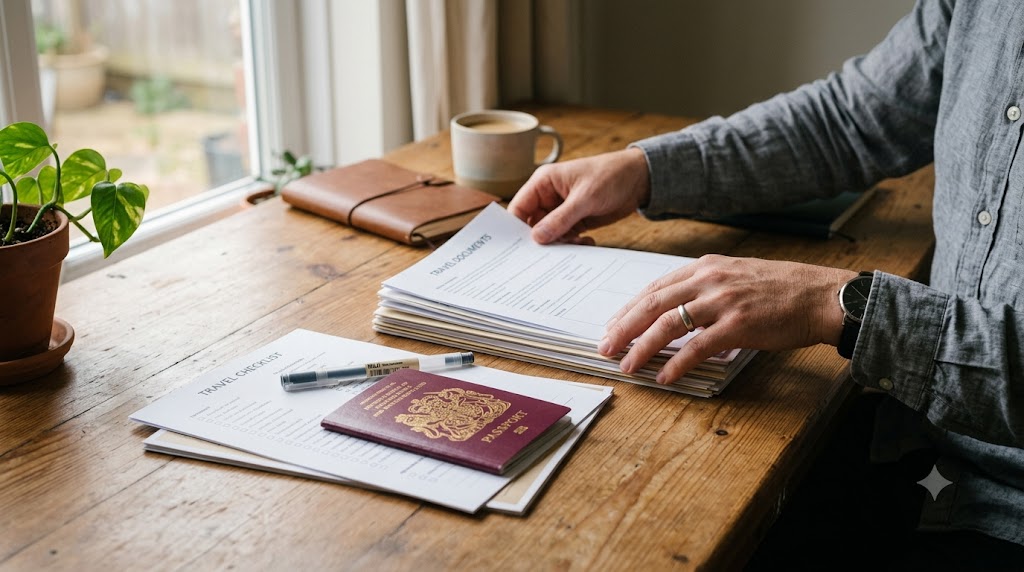
We are going to say something most visa-assistance content avoids saying directly: if you are applying from Punjab for a Canadian, Australian, or several other visa categories, you are statistically facing more scrutiny than an identical application from Mumbai or Bangalore. This is not a guess, and it is not us being alarmist. It is a documented pattern, tracked in Indian and international press, tied to a history of the student and tourist visa route being misused for immigration purposes from this specific region. Pretending this does not exist would not help you. Understanding exactly what it means for your application, and what is genuinely within your control, will. This is not a comfortable topic for a travel agency to lead with, most visa-assistance marketing prefers a vaguer, more reassuring tone. We think a Chandigarh and Mohali audience, many of whom already know this pattern from a relative’s or friend’s experience, is better served by a direct, factual explanation than another generic checklist that avoids the actual reason so many otherwise-qualified applications from this region get turned down.
Why We Are Addressing This Directly
Most visa-assistance content online is written to be broadly reassuring rather than specifically useful, generic tips that apply everywhere and therefore help no one in particular. For an audience based in Punjab specifically, that generic approach skips the single most relevant fact, that the region carries a documented scrutiny pattern that changes what a strong application actually needs to look like here compared to elsewhere in India. We would rather tell you this plainly, with the sources behind it, than let you discover it only after an unexpected rejection, the same direct-over-reassuring approach we take in our guide on how to choose the right travel agency.
Quick context: No agency, including us, can guarantee a visa will be approved. That decision belongs entirely to the consulate or embassy. What a proper documentation review can do is remove the preventable, self-inflicted reasons for rejection, which account for the large majority of refusals in the first place.
The Punjab Factor, Explained Honestly
Reporting on this has been consistent for several years, applicants from Punjab, Gujarat, and Haryana face documented higher rejection rates for Canadian and Australian visas specifically, tied to consular concerns that the student and tourist visa route has been used by some applicants from these states as a path to immigration rather than genuine short-term travel or study. Canada in particular has tightened requirements around proof of intent to return and financial stability specifically in response to this pattern.
What this means practically: a Punjab-based applicant needs to demonstrate ties to India, employment, property, family responsibilities, ongoing business, more thoroughly and more convincingly than an identical applicant from a state without this scrutiny history. This is not fair in an individual sense, a genuine tourist from Mohali is not responsible for someone else’s prior misuse of the system, but it is the reality of how these applications are currently assessed, and pretending otherwise sets an applicant up for a preventable rejection.
The Reasons That Have Nothing to Do With Region
Beyond the Punjab-specific scrutiny, the majority of visa rejections, for any applicant, from any state, come down to a small, well-documented set of preventable errors.
| Rejection Reason | What Actually Happens |
|---|---|
| Weak ties to India | The single most common reason cited across nearly every visa category, the consulate is not convinced the applicant will return |
| Documentation mismatches | A spelling difference, wrong date format, or name-order inconsistency between passport and application form, small enough to seem trivial, large enough to fail automated and manual checks alike |
| Weak financial documentation | Bank statements with unexplained large recent deposits, insufficient balance, or unclear income sources |
| Generic or copied application content | A statement of purpose or travel itinerary that reads like a template rather than a genuine, specific plan |
| Incomplete or inconsistent forms | Fields left blank, or answers that contradict something stated elsewhere in the same application |
Every one of these is preventable with a careful review before submission, which is exactly the gap between a rejected application and an approved one in most cases that have nothing to do with genuine eligibility.
Rejection Rates by Destination, Roughly
Worth knowing before you apply, since it sets realistic expectations and tells you where extra preparation matters most.
| Destination | Approximate Rejection Rate for Indian Applicants |
|---|---|
| United States (B1/B2 visitor visa) | Roughly 27 to 30 percent, notably higher than the global average, with young, unmarried, first-time applicants facing the steepest odds |
| United Kingdom (visitor visa) | Roughly 9 percent, one of the more favourable rates for Indian applicants among major Western destinations |
| Canada, Australia, Schengen countries | Among the destinations with the highest documented rejection rates for Indian applicants generally, and specifically elevated for Punjab, Gujarat, and Haryana applicants |
These figures are approximate and shift over time as policy changes, but the relative ranking, UK generally most favourable, US and Canada/Australia/Schengen generally toughest, has held consistently enough to be worth planning around.

What Actually Strengthens an Application
- Clean, explainable bank statements built up over months, not days. A large unexplained deposit two weeks before applying is one of the fastest ways to trigger financial-documentation doubt, regardless of destination.
- Concrete, specific proof of ties to India, employment letters with real detail, property documents, family responsibility evidence, rather than generic templates.
- A specific, genuine travel itinerary, not a copied template, matched to actual booked or realistically planned activities and dates.
- Total consistency across every document, the passport, the application form, supporting letters, and any prior visa history, since even minor discrepancies raise doubt disproportionate to their actual significance.
- Honest answers about travel history, a clean record of returning from prior trips on time is one of the strongest pieces of evidence an applicant can offer, and any prior overstay or violation should be disclosed and addressed directly rather than hidden.
Destination-Specific Notes Worth Knowing
Canada
The destination where the Punjab-specific scrutiny is most documented and most publicly discussed. Canadian visa officers have specifically tightened requirements around proof of intent to return and financial stability for applicants from this region, responding directly to a documented pattern of visa-route misuse. A strong application here leans heavily on verifiable employment, property, or business ties, and a financial profile built over months rather than assembled quickly before applying.
Australia
Similar scrutiny pattern to Canada, with particular attention on the credibility of a Statement of Purpose for student-adjacent applications and consistency between stated intent and actual financial and employment evidence. Generic or templated supporting statements are flagged more readily here than a first-time applicant might expect.
Schengen (Europe)
Among the more document-intensive processes generally, inconsistent paperwork, mismatched dates, and incomplete forms are cited as leading rejection triggers specifically for Schengen applications from Indian travellers, independent of the regional scrutiny question. A meticulous, cross-checked application matters more here than almost anywhere else.
United States
The B1/B2 visitor visa rejection rate for Indian applicants runs notably high, and the interview itself carries real weight here in a way it does not for several other destinations, a confident, consistent, well-prepared answer to the consular officer’s questions matters as much as the paperwork itself.
United Kingdom
Comparatively the most favourable major Western destination for Indian applicants by approval rate, though the same fundamentals, clean documentation and clear ties to India, still apply and still matter.
Tourist Visa vs Student Visa: Why the Distinction Matters Here
Much of the Punjab-specific scrutiny reporting centres on the student visa route being used as a path to immigration, but the resulting caution has genuinely spilled over into tourist visa assessment for applicants from this region too. A consular officer reviewing a tourist visa application from Punjab is, fairly or not, doing so with awareness of this broader pattern. This makes it even more important for a genuine tourist applicant to clearly and specifically demonstrate that the trip is exactly what it claims to be, a defined, time-bound visit with a real return plan, rather than leaving any ambiguity that could be read against the wider pattern.
Group and Family Visa Applications
Worth its own mention since a meaningful share of our Chandigarh clients apply as a family or group rather than individually, for a destination wedding, a family reunion abroad, or a group pilgrimage circuit. Group applications carry an added wrinkle: if one application in the group is weak or inconsistent, it can raise questions about the others submitted alongside it, even when each individual’s documentation is otherwise sound. Reviewing every application in a group together, checking for consistency across the whole set rather than just within each individual file, catches this specific risk before submission rather than after a partial rejection splits a travelling group.
What a Proper Documentation Review Actually Does
This is where a dedicated visa desk earns its value, and it is worth being specific about what that actually means rather than a vague promise. A proper review checks every document against every other document for consistency before submission, flags a financial profile that looks weak or recently manipulated before a consular officer sees it, helps build a genuine, specific itinerary rather than a generic one, and knows the destination-specific documentation standards that shift country by country and change periodically. None of this guarantees approval, and any agency claiming otherwise is not being honest with you. What it does is remove the preventable, self-inflicted causes of rejection, which by most documented accounts account for the majority of refusals that have nothing to do with genuine eligibility.
If You Have Already Been Rejected Once
A prior rejection is not automatically fatal to a future application, but it does need to be addressed directly rather than ignored. Most application forms ask whether you have previously been refused a visa, and answering this dishonestly is itself a serious risk, far more damaging than the original rejection. The better approach: understand exactly why the previous application was refused, if the refusal letter or communication gave a reason, and directly strengthen that specific weakness before reapplying rather than resubmitting an identical application and hoping for a different outcome.
Steps to Take After a Rejection
- Read the refusal communication carefully. Some consulates provide a specific reason, others give only a general refusal code, but any detail provided is worth building your reapplication around directly.
- Do not reapply immediately with the same documents. Resubmitting an unchanged application virtually guarantees the same outcome, since nothing about the underlying concern has been addressed.
- Identify the specific weakness, whether that is financial documentation, inconsistent paperwork, or an unconvincing itinerary, and rebuild that specific element rather than assuming the whole application needs a redo.
- Allow genuine time before reapplying, particularly for financial documentation, since a bank statement that looks rushed or newly assembled raises the same doubt that may have contributed to the original rejection.
- Disclose the prior rejection honestly on the new application, since most forms ask directly and a dishonest answer, if discovered, causes far more damage than the original refusal.
A Genuine Tourist’s Documentation Checklist
For a straightforward leisure tourist application, regardless of destination, this is the core set of documents worth having in strong shape before applying.
- A specific, bookable itinerary, not a vague description, actual dates, actual cities, ideally with at least a tentative hotel booking or confirmation to show real planning.
- Bank statements covering at least the preceding six months, showing a stable, explainable pattern rather than a sudden recent balance increase.
- Employment or business documentation, a leave-approval letter, a business registration, or equivalent proof that ties the applicant to an ongoing responsibility in India.
- Property or family-responsibility evidence where relevant, ownership documents, dependents, or other concrete ties that support genuine intent to return.
- A clean, consistent passport and application form, every name, date, and detail matching exactly across every document submitted.
None of this is unusual or excessive by international visa standards, it is simply what a thorough, well-prepared application looks like, and the difference between having it ready in advance versus assembling it hastily right before a deadline is often the difference between approval and a preventable rejection.
Frequently Asked Questions
Why do Punjab applicants face more visa scrutiny?
Reporting has documented that Canada and Australia specifically have tightened scrutiny for applicants from Punjab, Gujarat, and Haryana, tied to concerns that the student and tourist visa route has been used by some applicants from these states for immigration purposes rather than genuine short-term travel. This means demonstrating strong, well-documented ties to India matters even more for applicants from this region.
Can a travel agency guarantee my visa will be approved?
No, and any agency claiming otherwise is not being honest. Visa decisions rest entirely with the consulate or embassy. What a proper documentation review can do is remove preventable, self-inflicted errors that cause the majority of rejections that have nothing to do with genuine eligibility.
What is the single most common reason for visa rejection?
Weak or unconvincing ties to the home country, the consulate is not persuaded the applicant genuinely intends to return, cited across nearly every visa category and every applicant nationality.
Does a prior visa rejection hurt future applications?
It can if not addressed directly. Most application forms ask about prior refusals, and answering honestly while directly addressing the specific weakness that caused the earlier rejection is far more effective than resubmitting an unchanged application.
Which countries have the toughest visa approval odds for Indian applicants?
The United States, Canada, Australia, and Schengen countries currently show the highest documented rejection rates for Indian applicants, with the UK generally showing a more favourable approval rate by comparison.
How far in advance should I start preparing my visa documentation?
At least a few months for financial documentation specifically, since a clean, unexplained-deposit-free bank statement history needs time to build, and rushed, last-minute financial documentation is one of the most common preventable triggers for rejection.
Is it harder for young, unmarried applicants specifically?
Yes, for several destinations, particularly the United States, young and unmarried first-time applicants statistically face steeper odds, since demonstrating strong ties, family responsibility, property, established career, is genuinely harder without the evidence that typically comes with age and life stage. This does not mean approval is impossible, but it does mean the supporting documentation needs to work harder to make the case.
Does applying through a travel agency reduce scrutiny compared to applying myself?
Not in the sense of receiving preferential treatment, consulates assess the application itself, not who submitted it. What a proper agency review does is catch the preventable errors and weak points before submission, the same application quality any careful, well-informed individual applicant could achieve alone with enough research and time.
What if my occupation or income is genuinely modest, does that guarantee rejection?
No. Consulates are assessing the credibility and consistency of the whole picture, not a minimum income threshold in isolation. A modest but clearly explained income with consistent, honest documentation is generally viewed more favourably than a larger but inconsistent or recently manipulated financial profile.
Prepare the Application Properly, Not Just Quickly
A rejected visa costs more than the fee, it costs the trip, the time, and often a harder path on the next attempt. Our visa desk in Phase 7, Mohali has processed tourist and business visa documentation since 2013, specifically for the scrutiny patterns this region’s applicants actually face. Explore our visa assistance service, or call us directly at +91 99143 10333 for an honest documentation review before you apply, not after a rejection. Flywings team since 2013.
Sukhjinder Kaur is a premium travel content writer specialising in the tourism industry. She writes Flywings' destination guides, fare-saving playbooks and visa explainers — every piece researched with the agency's ticketing and visa desks before it is published.
View full profile